In case you haven’t heard, 2021 is host to two supermoons this year: one in April and one in May. The main difference between a supermoon and regular full moon is the appearance in size. Based on the readings I’ve done, supermoons generally appear about 10% larger than a normal full moon. In all honesty, this doesn’t seem like a big difference, but when it comes to photography it can mean all the world.
The April supermoon is called the Pink Moon– though the moon won’t actually appear pink, sorry. However, after I did some reading to try and figure out how likely it would be to get a good picture or two of the phenomena, I was still pretty happy. The photography blogs I read about the event suggested at least a 200 mm lens to capture the event, and I just so happen to have a lens with a range from 70-200 mm, just cutting it. I also have the help of a handy dandy tripod, necessary to keep the image clear and crisp.
I’m on the east coast of the US, and the moon will be at its fullest around 11:30 pm local time. I decided to try and capture some cool night sky photography from Gravelly Point, a park in Virginia frequented during the summer for picnics and to watch airplanes take off and land. As far as the DMV goes, it’s a pretty “out-in-the-open” space that’s not too close to large buildings emitting a bunch of light (despite being close to an airport). This made it seem like the perfect location to try and capture the Pink Moon.
Of course, despite the peak at around 11:30 pm, the sunsets at around 8 pm with the moon rising a bit earlier. In order to get set up and capture a photo at the ideal times while also giving myself different angles to work with, I’m thinking about getting to Gravelly Point much earlier than 11:30, leaving at around 9 pm. This should be long enough after sunset to make sure the sky is completely dark, allowing for clearer pictures of the moon, but also enough before the peak moon so that I have time to set up and capture images before the moon starts “falling” (for lack of a better term).
Now, a few disclaimers: Firstly, the grammar of this post is all over the place, and I’m aware of that. The verb tenses are horrendous. I’m writing this post on April 26th, before I actually go and shoot the moon, but this post won’t go up for about another week. So between the post date, the shoot time, and my all-over-the-place thought process, sorry in advance. Secondly, (and more importantly), I have no idea how these images will turn out. There’s a good chance they’ll be terrible, you won’t be able to see the moon at all, and the location is actually awful for this type of photography. However, no matter how the photos end up coming out, I wanted to write and post this piece because it’s part of my photography experience. And if the photos don’t come out, rest assured I’ll share with you my thoughts on why, and how to rectify the problems in the future so you all don’t encounter the same missteps or failures I do.
That being said, let’s talk about how the shoot went down.
I arrived at Gravelly Point Park at around 9:45 pm. In turns out, a lot of people had the same idea of hanging with friends during the supermoon and doing some photography. The parking lot was pretty crowded, but the actual park wasn’t bad, with plenty of room for me to maneuver around without worrying about getting to close to anyone else or being in anyone’s way.
I was pleasantly surprised to see that my 70-200 mm lens got the job done; while a 200-400 mm lens would have been preferable, I was able to get some detailed shots at the 200 mm mark. I even shot in RAW in hopes of being able to blow up the pictures a little larger without losing too much crispness. Below are some of the images I took– you can see that there actually is a good amount of detail, and you can also see how shutter speed affected how each one came out.
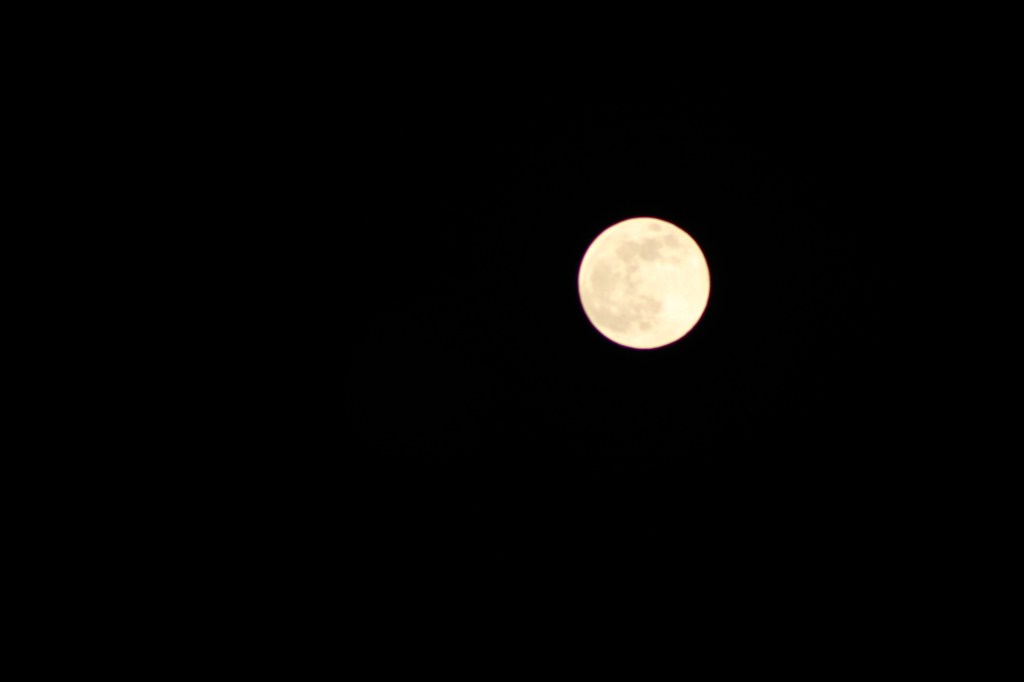
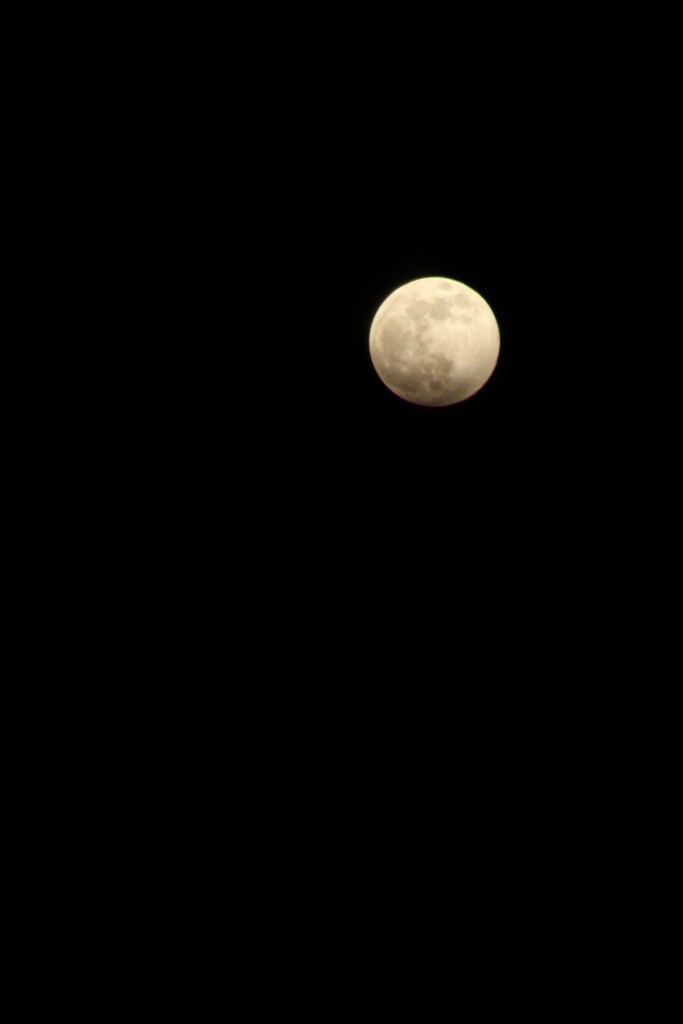
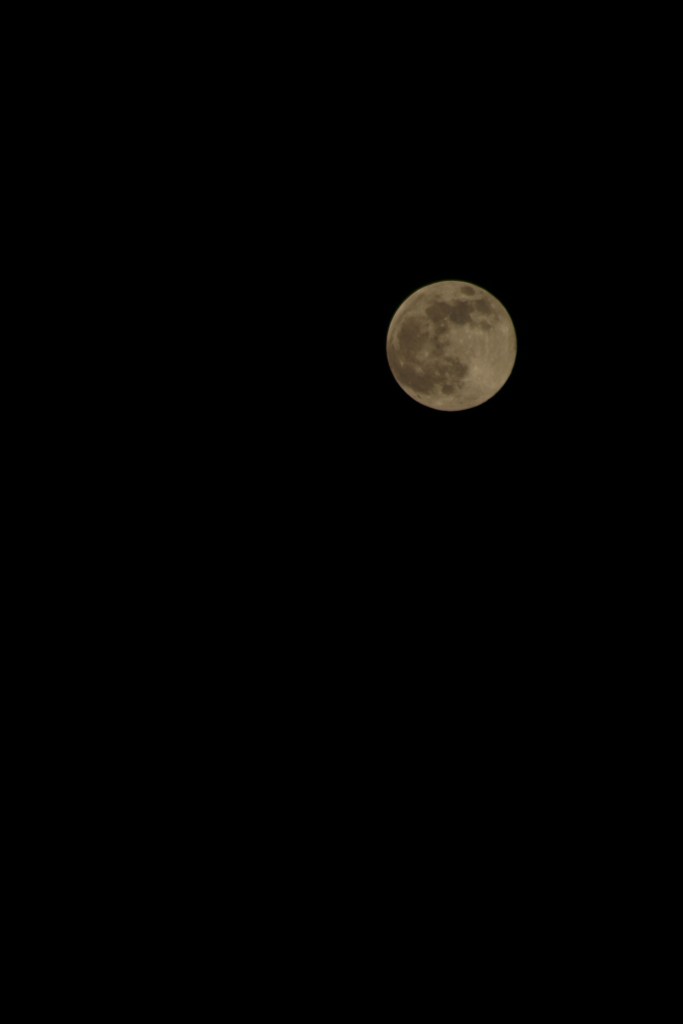
While the pictures are kind of boring in my opinion, I’d say the shoot was definitely a success. I think the images will be fun to play around in Photoshop if I ever want to make a composite image or add a little interest to the sky in a photo– things like that.
If you missed April’s supermoon, there’s another happening in May on the 26th, that’s even supposed to be a bit bigger than tonight’s. So remember to mark your calendars!
Until next time!
 EAC Photos