One of my biggest struggles in photography is finding a model willing to pose for me. I think that’s the issue for most photographers, especially ones new to the scene. I’m not yet at the point where I feel super comfortable reaching out to strangers for photoshoots, but I still need to practice portraiture and directing a shoot.
Over my (albeit pretty short) time as a photographer, I’ve compiled a sort of go-to list of avenues I can take if I want to have a photoshoot but no one to model for me. These can also work for creating opportunities to try new styles of photography or simply building your portfolio.
If you’re in similar shoes as me, size 9 or otherwise, stay tuned for some of my tips and suggestions for getting those models for your photoshoots. And as always, the photos I include here are unedited. If you would like to see final versions of some of these pictures, check out my Instagram or VSCO.
1. Family
The great thing about family is you can pretty much force them to model for you. They’re your family– just like you have to help them out with things, they have to do the same. If you have a sibling, this works even better.
I’ve taken photos of family on trips we’ve taken together, but more so then that, my sister, Kate, is my go-to photoshoot buddy. It’s an added bonus that she enjoys photography, too: we both get practice, we both get photos of ourselves. You’ll more than likely see multiple posts with Kate in them, so I’ll focus on my other family members for this section.
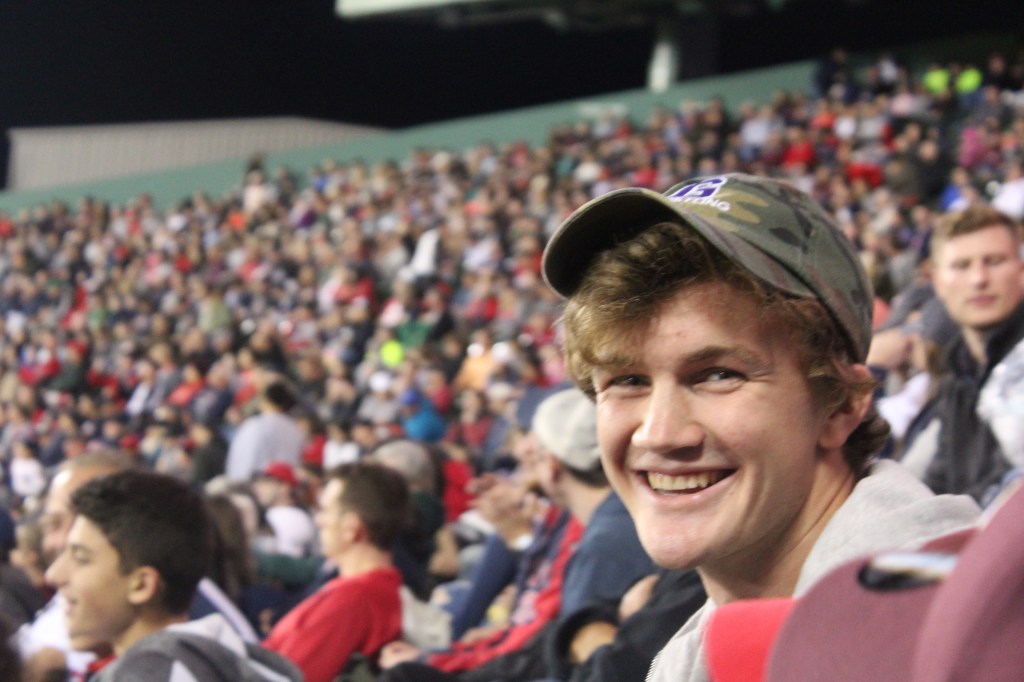
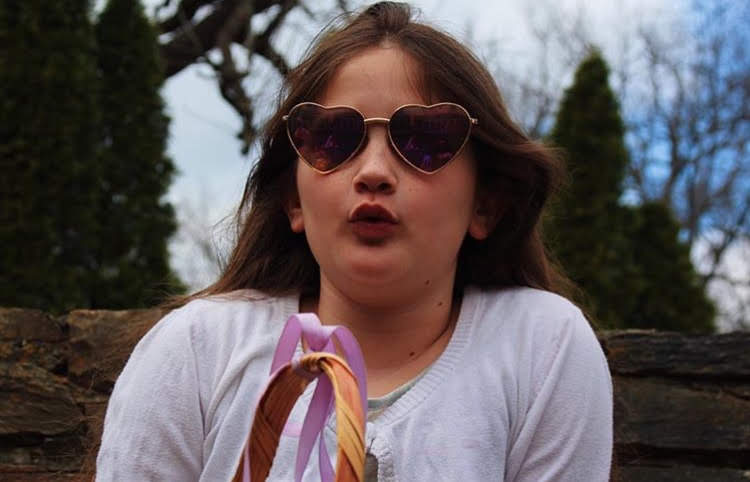
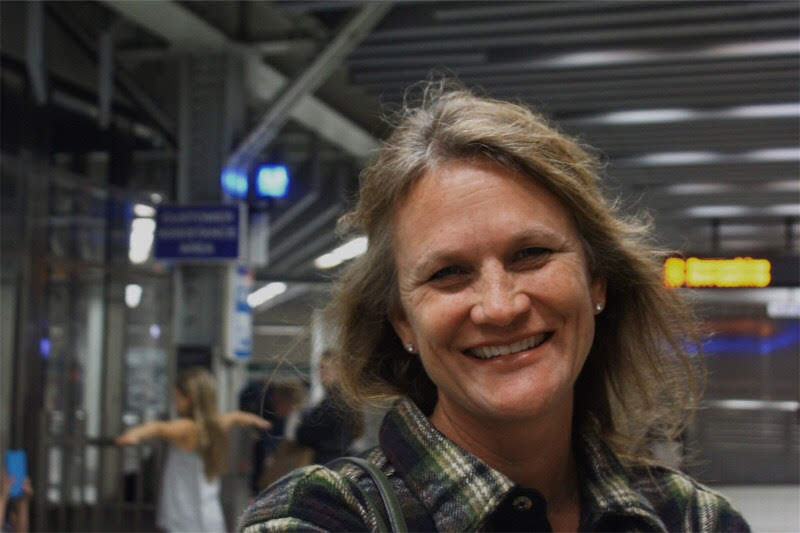
2. Friends
Having a photoshoot with friends has multiple benefits. First of all, it’s just honestly a really great way to spend time with friends, whether one-on-one or in groups. Over the years, especially in high school when I was first getting into photography, I took pictures of my friends all the time. There’s also the added benefit of the actual pictures for your friends– almost every time I took pictures of my friends, they ended up with an Instagram post or two. Perfect incentive, and I’ve found this is especially the case during high school.
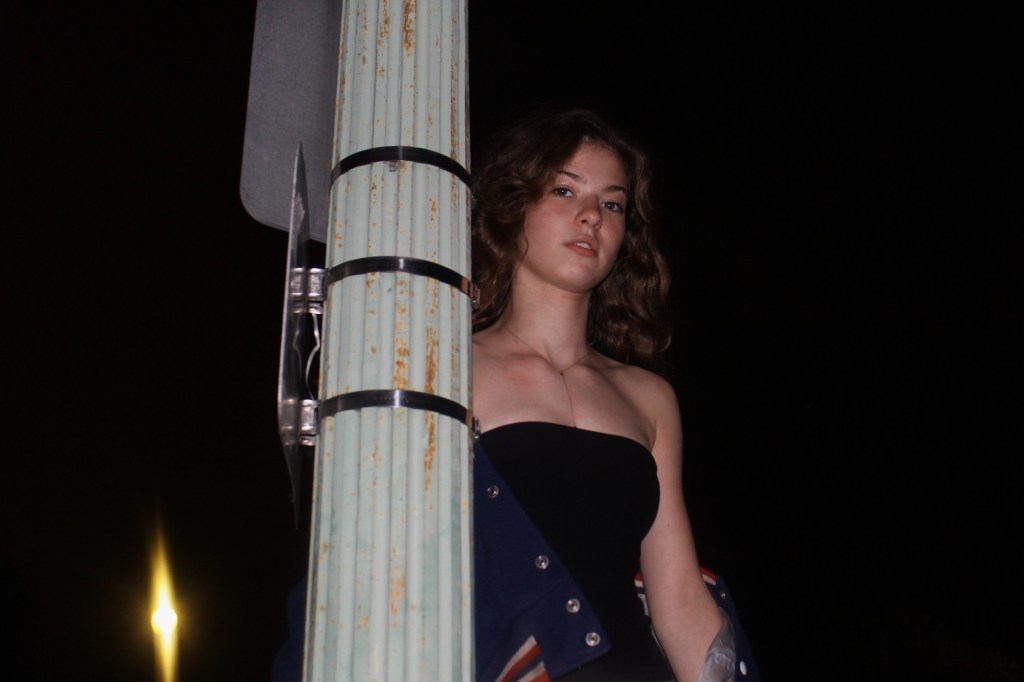
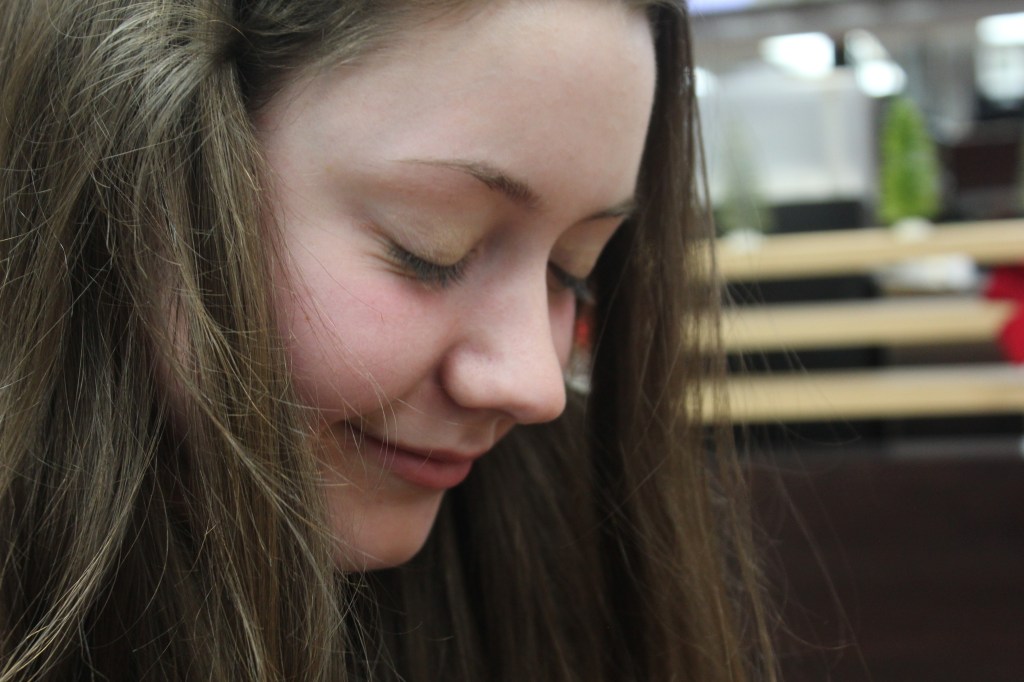
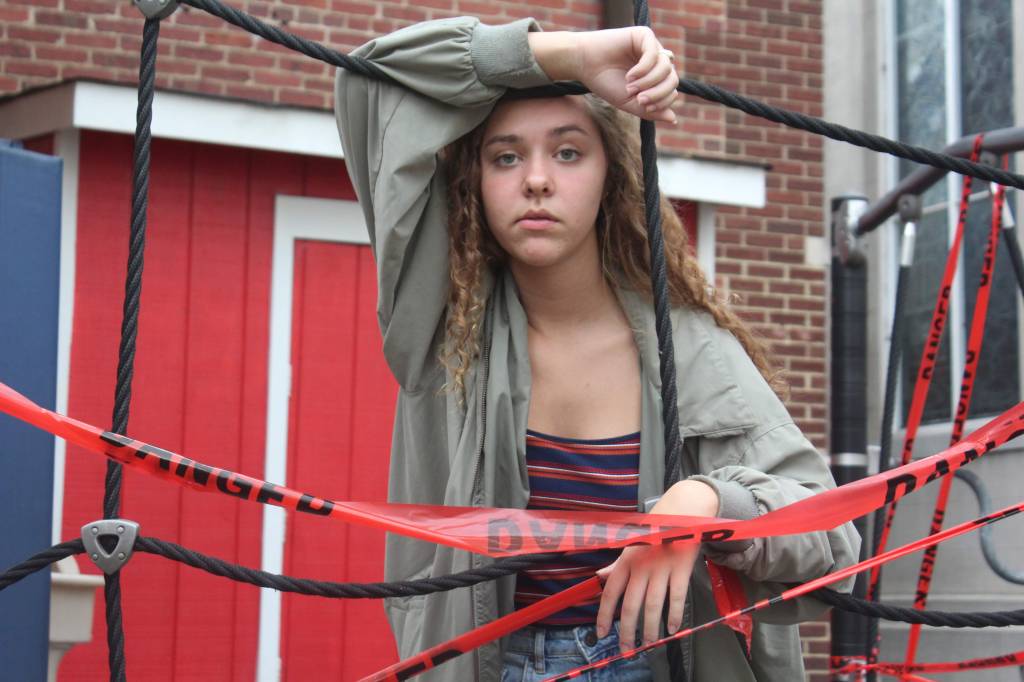
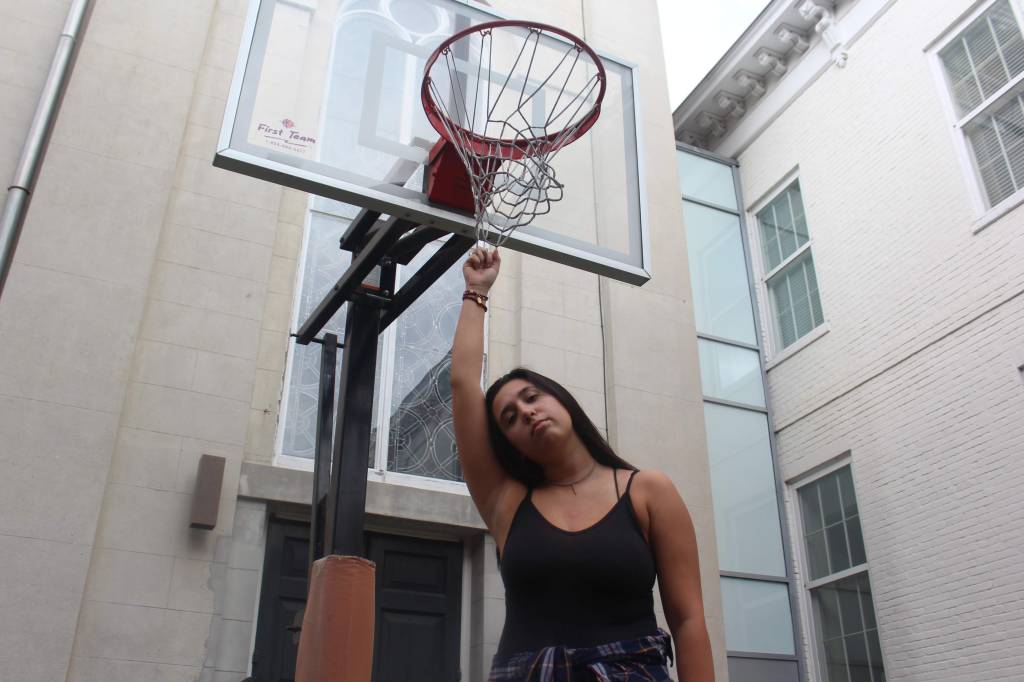
If you and your friends enjoy exploring new places, this might also be a really good option for you, as the various locations will provide a bunch of fun and interesting backgrounds for your photos. I went to school in Georgetown, D.C., and depending on where we went even just in Georgetown we had a bunch of different options. Here are a few examples:
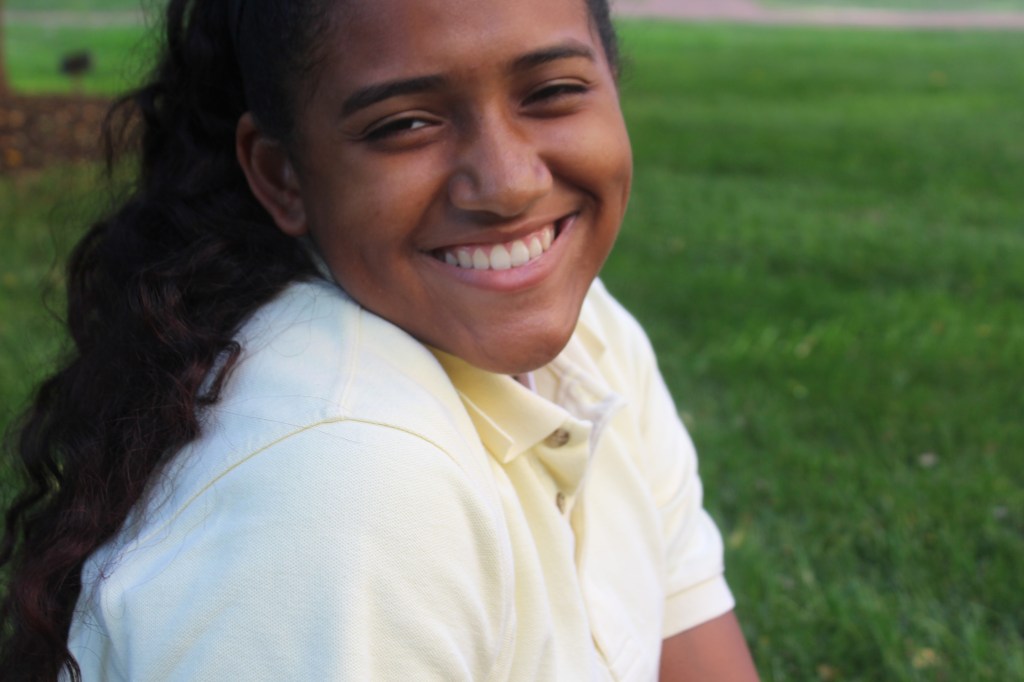
3. Total Strangers
Look, I know this whole post started out by me saying I wasn’t super comfortable with approaching strangers for photography purposes, so I get the irony. With that being said, strangers are a pretty good source for practicing photography. I prefer impromptu photos with strangers, because then you don’t have to worry as much with directing a shoot if you’re not yet comfortable with that. But when you’re out and about town with your camera, asking to snap a picture of someone you pass by on the street can lead to some really cool photos.
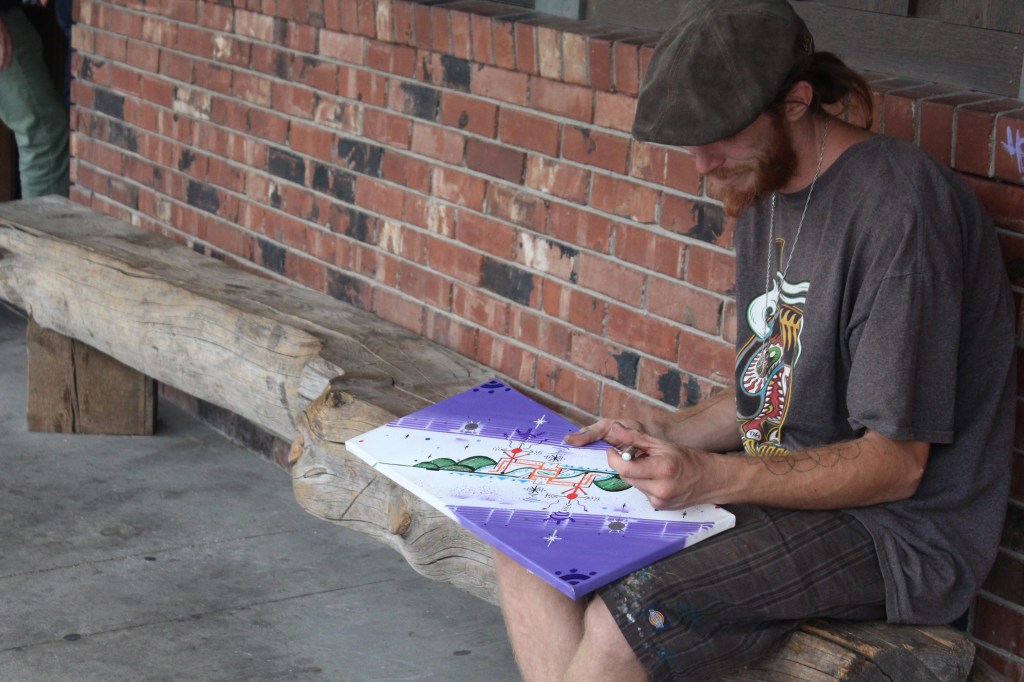
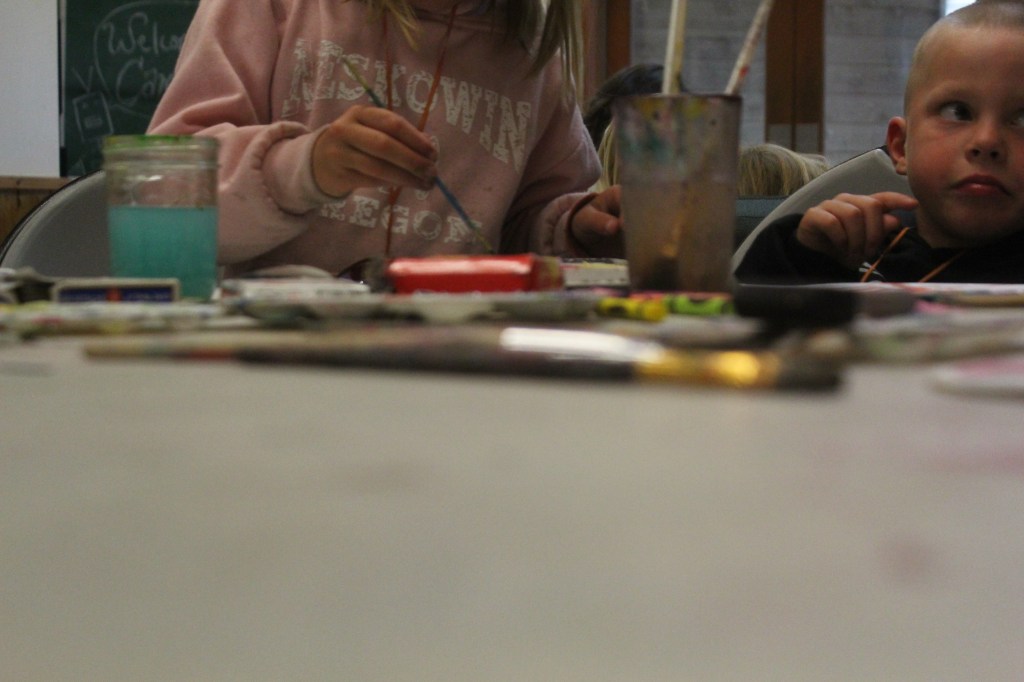
Now, full disclosure: some of the photos of strangers that I took when I was younger I didn’t ask permission from the person before or after taking the picture. This is definitely something I’m working on, so remember to ask for permission to use the photo before or after if possible.
4. Events
If you’re still looking for photography opportunities, a great way to get more practice in and build your portfolio is through volunteering to photograph events. It doesn’t even need to be an event that traditionally has photographers, either. In my experience, most people love having pictures of themselves and friends/family. Sending a quick email or text to the organizer explaining what you’d like to do, and an assurance that you’ll share the pictures, is usually enough to get permission to practice your photography.
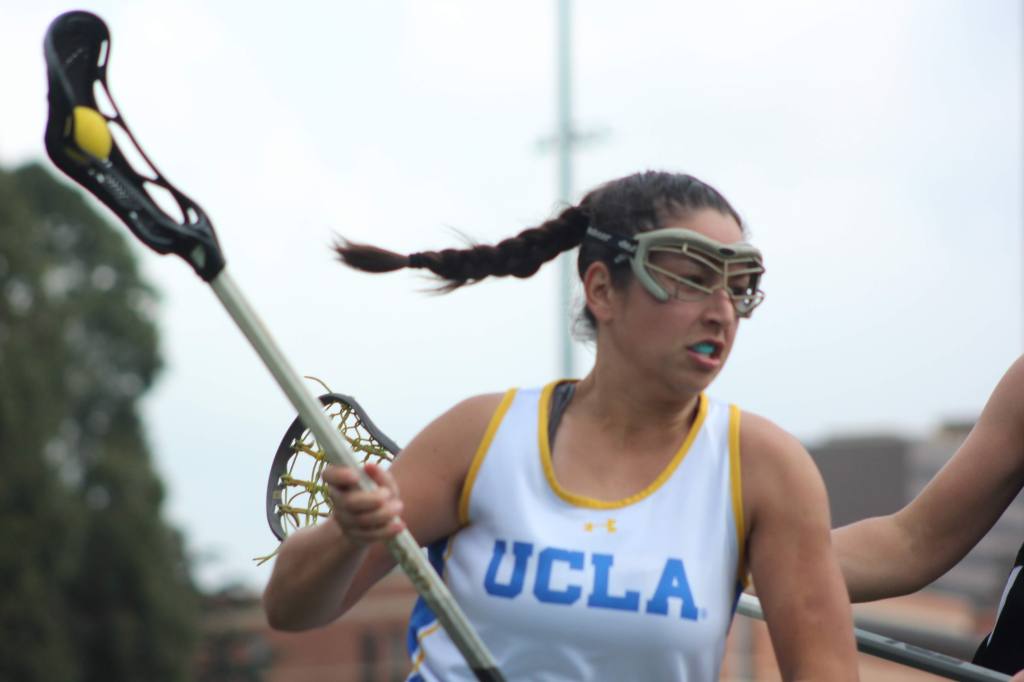
I really wanted to get into sports photography, and when I entered college, I joined the Women’s Club Lacrosse team. When we entered our official season, we had so many players that we had two teams. If the other team was playing and mine wasn’t, I would often go down to the fields and photograph the games. This was great on both fronts: I got to get into sports photography, and actually get pretty decent, and the team got photos of players to post the various Club Sports instagrams or have for personal use. Here is the exact text I sent to our team captain (because I really just didn’t know who else I should text, lol):
“do u think it would be ok if i photographed yalls game tomorrow? i wanna work on my sports photography / and any good shots the insta/other girls could use ofc”
Yes, my professionalism was lacking (note this was a teammate of mine), but it worked and I ended up photographing a bunch of the games before our season was cut short last year. I was able to practice my sports photography, and some of the school Instagram accounts even used my photos for their posts. Here are a few of my favorites from lacrosse games.
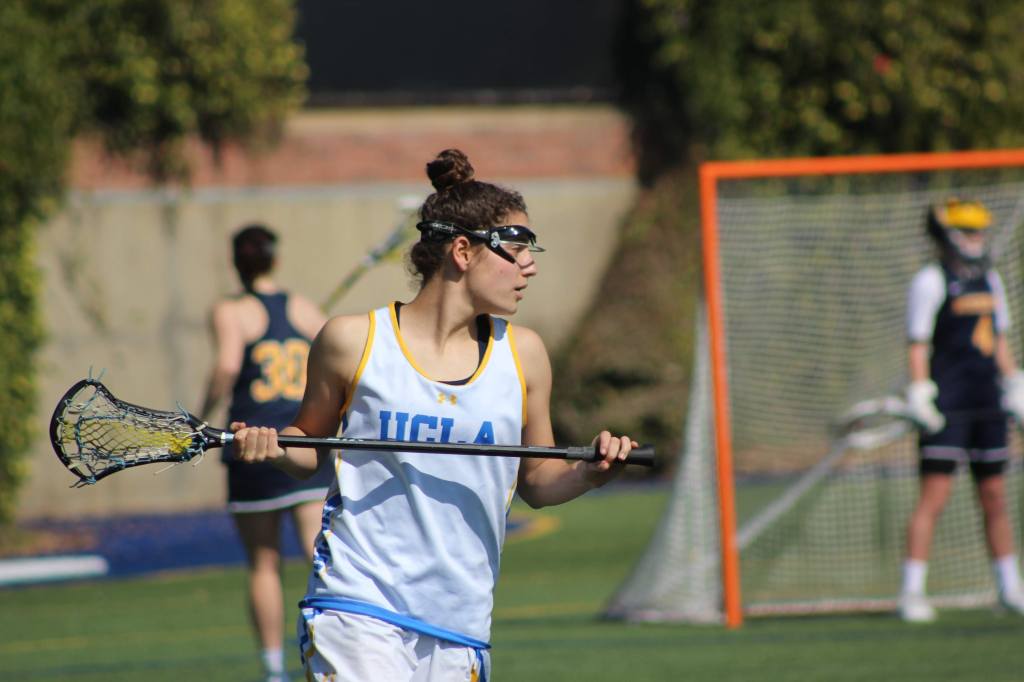
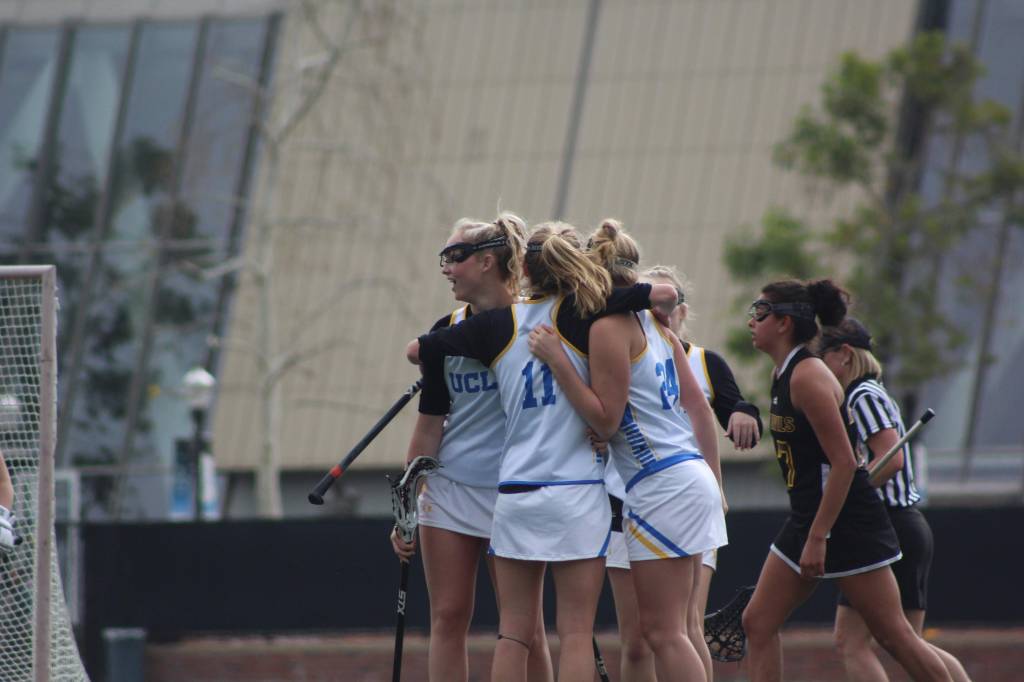
Of course, this isn’t the only way to get some practice in. Any club events, Greek life events, siblings’ sporting games– the world is your oyster. I’ve volunteered to take portrait-style photos and group pictures at Father/Daughter and Mother/Son dances my old middle schools has hosted, so don’t be afraid to look back while moving forward in photography. Ask your parents, friends, or neighbors if they know of any recreational events coming up, and offer your services to get some easy and relatively stress-free practice in. I’ve attended some open-mic style concerts at local high schools, and taken some really cool photos there, so look out for those types of events as well.
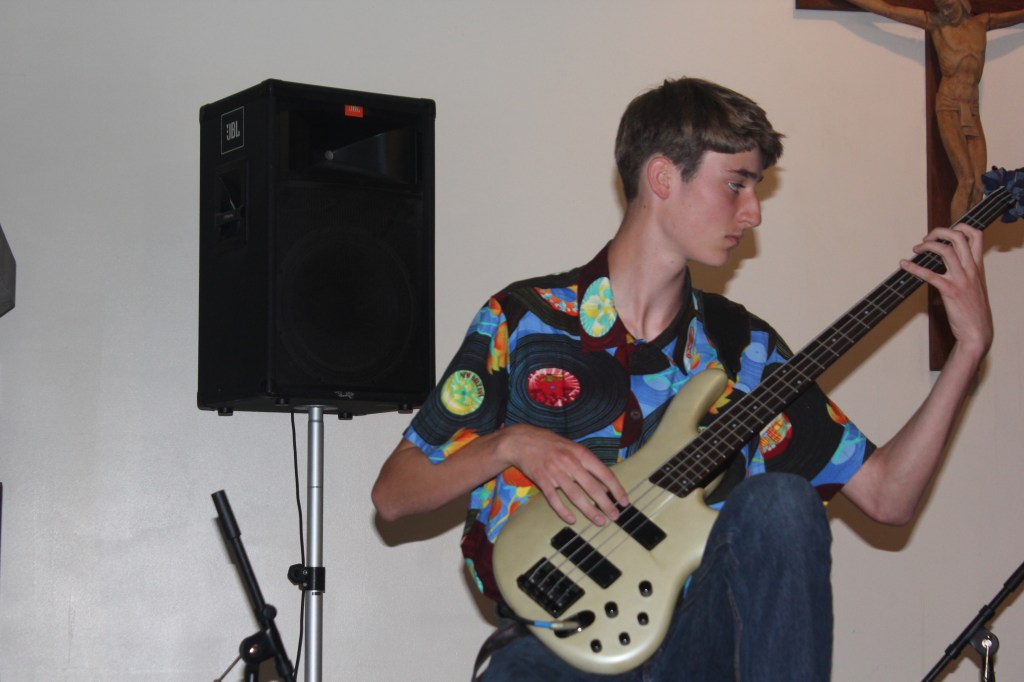
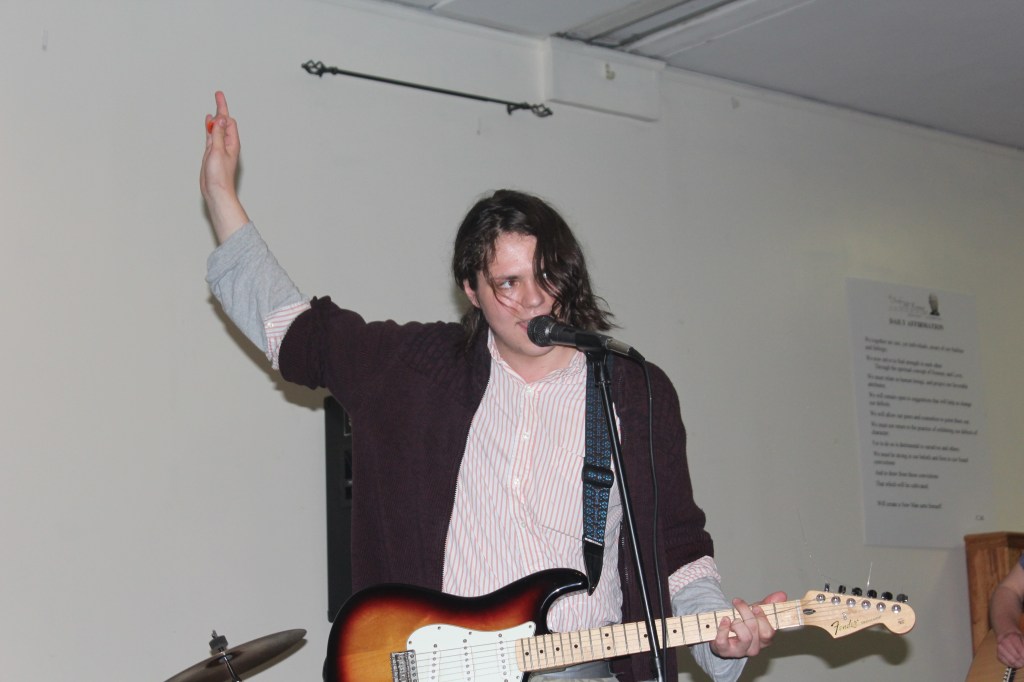
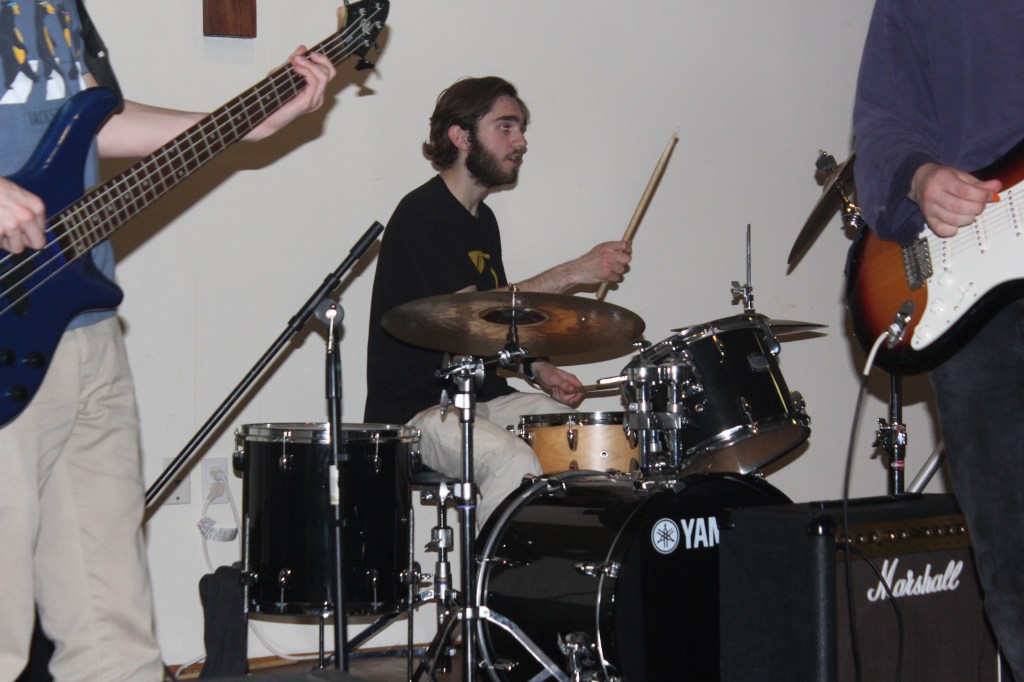
You might even discover a new style of photography you enjoy shooting. Worst case scenario, you’ll be sharpening your general photography skills with lighting, focus, shutterspeed, etc.
5. Self
Last but certainly not least, we have the classic self-portrait. While this isn’t my favorite thing to do, mainly because the equipment I currently use and my style of shooting don’t really lend themselves well to self-portraiture, this is a great option for some people.
All you really need is yourself and your camera– maybe a tripod, depending on where you’re shooting. (You don’t even really need a legit tripod– I’ve used stacks of books when in a pinch). It does take some prep work if you don’t have any of those fancy accessories, but you can get some fun results.
Here are a few “self-portrait” style photos I’ve taken. I’m still working on my self-portrait skills, but maybe these will give you a few ideas.
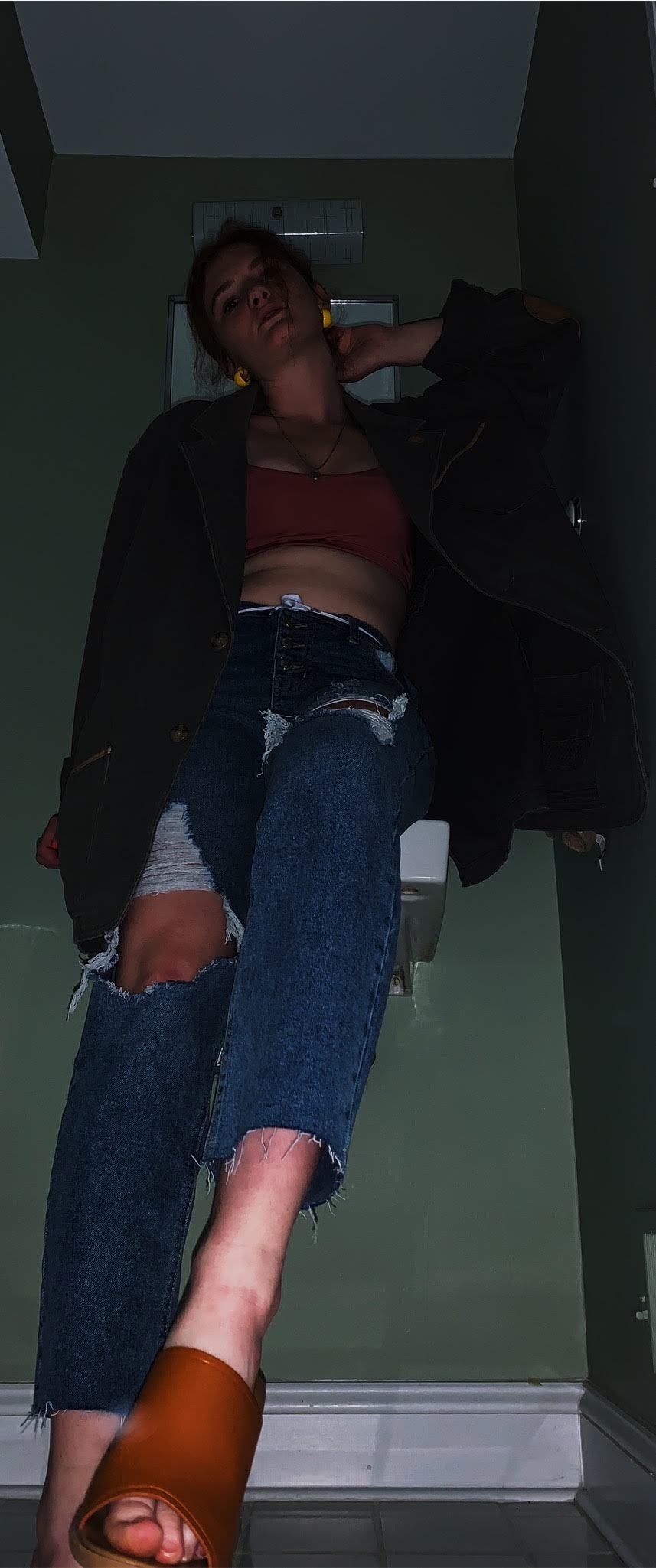
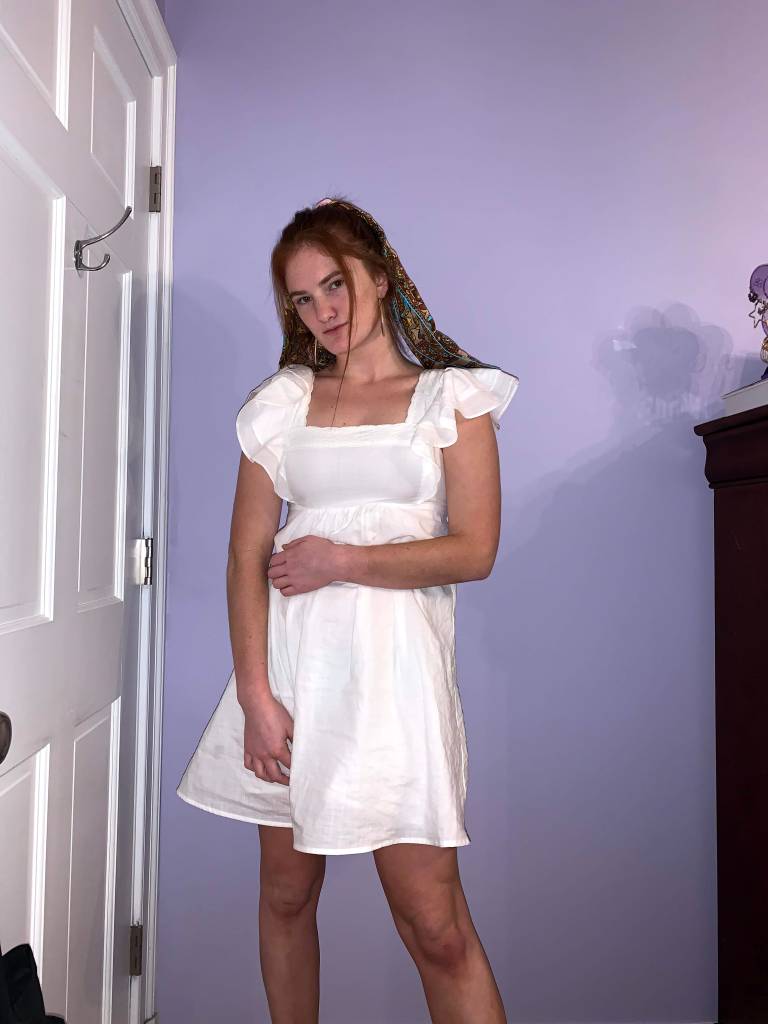
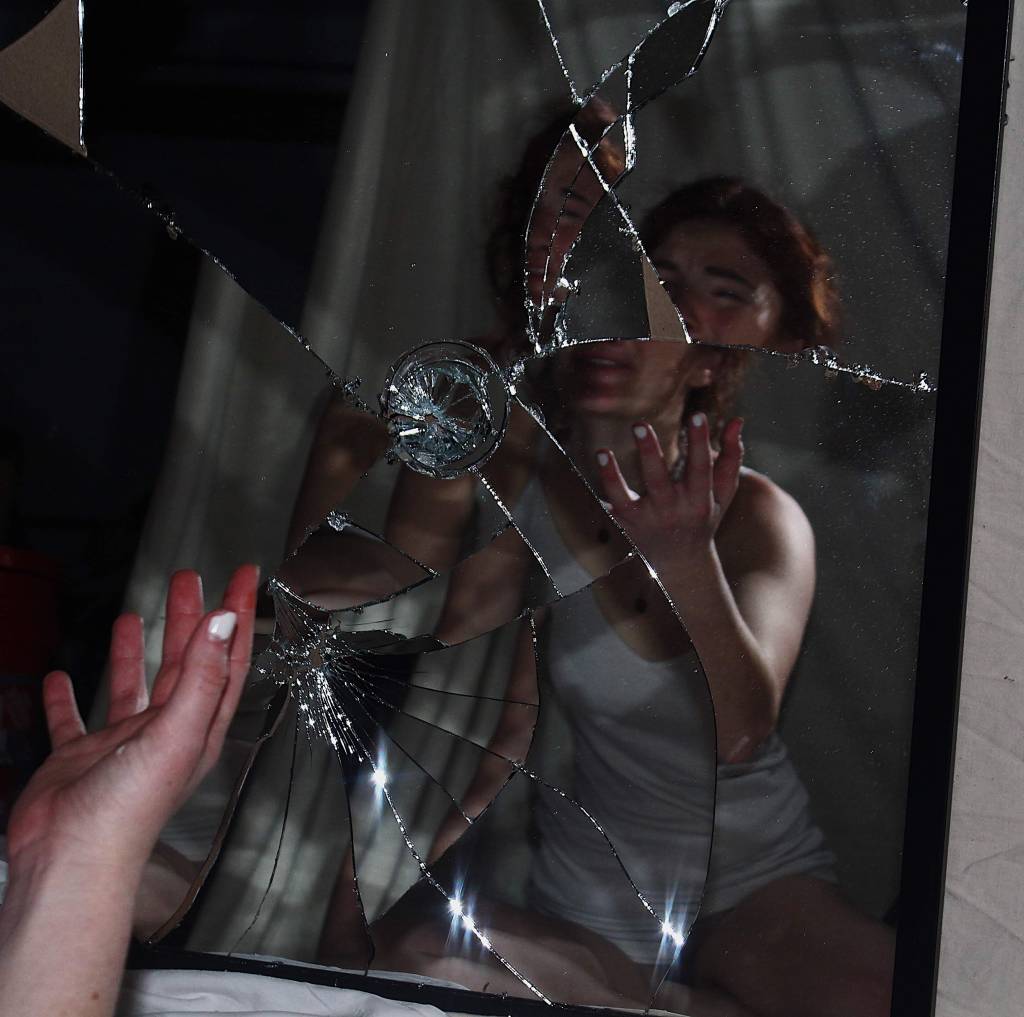
Tips wise, I would recommend setting up your entire shoot before you even start taking pictures. In order to do this, it really helps to have a clear idea of what you want your photos to look like. Set your camera up with all of its settings and in the right position, and take a couple test shots. This is also when you can make sure the pictures are actually focused– the last thing you want is a perfectly composed picture that’s ruined simply by blurriness. Set your timer, press the button, and run into position, and you’re good to go. When I do this, I typically like to set it to multiple shots, usually between 5-10, so I have options. Again, though, this just reflects my personal “take enough pictures and one of them will turn out good” philosophy.
When it comes down to it, you have to make opportunities for yourself to practice your photography and build your portfolio. Whether it’s being more assertive in asking others to aid you in your art, or being creative and modelling yourself, you can almost always find a way.
I hope this post gave you a couple ideas! See you next time 🙂
 EAC Photos